From Café Screens to Championship Stages: How Vietnam Became a Global Esports Force
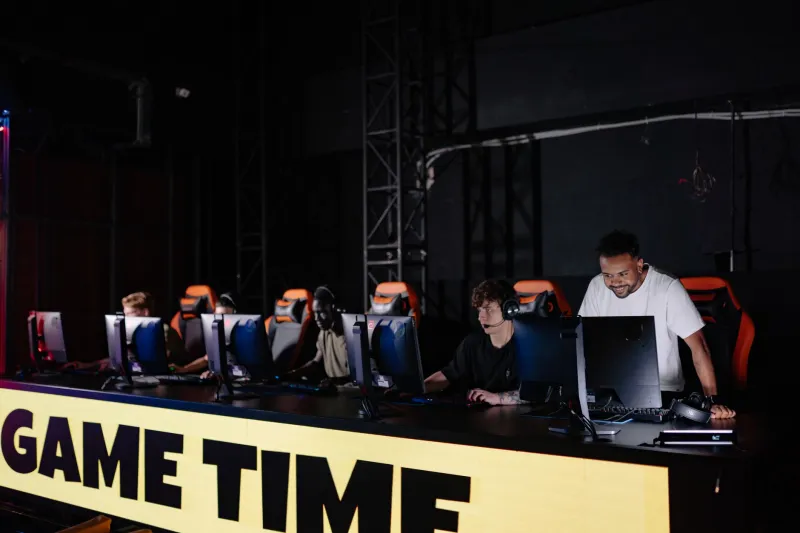
Not too long ago, if you mentioned Vietnamese esports to most American fans, you'd probably get a blank stare. That's changed — fast. In 2024, Vietnamese players and teams are legitimate threats across multiple competitive titles, and the infrastructure that built them is something the global esports community is finally starting to pay attention to.
This isn't a feel-good underdog story, though there's plenty of that energy here. This is about systems, culture, and the particular kind of hunger that gets produced when you grow up grinding in a neighborhood internet café with something to prove.
The Café as a Training Ground
You have to understand what the internet café meant in Vietnamese gaming culture to understand where these players came from. For a generation of Vietnamese gamers, the local net café wasn't just a place to kill time — it was a proving ground. Walk in, sit down, and you're immediately competing. The regulars know who's good. Reputation travels fast in a small space.
This environment created a kind of informal competitive ladder that ran parallel to the official tournament scene. Kids who showed up consistently, absorbed knowledge from older players, and adapted quickly rose through that informal hierarchy. The ones who made it to the top of their local café circuit had already been battle-tested in ways that players with private home setups sometimes haven't been.
That competitive pressure, applied early and consistently, produced players with unusually high mechanical ceilings. And when Vietnam's formal esports infrastructure started developing — with actual teams, coaches, and tournament pipelines — those players were ready.
The Titles Where Vietnam is Making Noise
Let's talk specifics, because the breadth of Vietnamese competitive success in 2024 is genuinely impressive.
Mobile Legends: Bang Bang (MLBB) has been a standout. Vietnam's regional teams have been consistently punching above their weight in the M-Series World Championships, with Vietnamese squads developing a reputation for unconventional drafting and aggressive early-game strategies that catch international opponents off-guard.
League of Legends remains a big deal. The Vietnam Championship Series (VCS) has sent teams to international events who've managed to disrupt seeding expectations — no small thing in a game where Korean and Chinese teams have historically dominated.
Valorant is where things get really interesting right now. Vietnamese players have been climbing the international rankings, and the tactical discipline on display from Vietnamese competitors has drawn genuine respect from analysts and coaches in the North American scene.
And then there's the individual talent pipeline. Players who cut their teeth in Vietnam's domestic scene have been scouted by international organizations, with some making their way onto rosters in Southeast Asia's broader competitive ecosystem and drawing interest from further afield.
The Training Culture That Builds Champions
What does a Vietnamese esports training environment actually look like? It's intense — and in ways that might surprise American players used to thinking of esports as a more casual pursuit.
Professional and semi-professional Vietnamese esports players often follow training schedules that would feel familiar to traditional athletes. Ten to twelve hour days aren't unusual during peak preparation periods. VOD review is taken seriously. Coaches analyze not just mechanical performance but decision-making patterns, tilt management, and team communication under pressure.
There's also a strong mentorship culture. Veteran players don't just move on when they retire — many stay connected to the scene as coaches, analysts, or content creators who actively develop the next generation. That knowledge transfer keeps the competitive level rising rather than resetting with each new crop of players.
Compare that to parts of the American esports development pipeline, where talent identification can be inconsistent and the path from grassroots to professional isn't always clearly defined. Vietnam's system isn't perfect, but the emphasis on structured development and intergenerational knowledge sharing gives it a real edge.
What the American Esports Scene Can Borrow
The US has world-class esports infrastructure in terms of investment, production value, and audience size. But there are genuine lessons available from watching how Vietnam has developed competitive talent:
Formalize the grassroots pipeline. Vietnam's café culture created an organic competitive ladder. American esports could benefit from more intentional grassroots tournament structures at the local and regional level — not just as feeders for college programs, but as legitimate competitive environments in their own right.
Take coaching seriously at every level. In Vietnamese esports, coaching isn't an afterthought — it's baked into how teams operate. American organizations that invest in quality coaching at the developmental level will see better long-term returns than those that only bring in coaches once players reach the professional tier.
Build mentorship into the culture. The knowledge transfer between Vietnamese esports generations is one of the less-discussed advantages the scene has. Creating formal and informal mentorship structures — where experienced players stay engaged with up-and-comers — helps communities level up collectively rather than individually.
The Bigger Picture
Vietnamese esports in 2024 is a story about what happens when genuine passion meets improving infrastructure over time. The players who are winning on international stages today were shaped by a culture that took competition seriously long before there were prize pools or sponsorships involved. They played because they loved it, they competed because the environment demanded it, and they got good because the community around them made getting good feel worth the effort.
For American fans and players, that's worth more than just admiration. It's a reminder that the foundation of any great competitive scene isn't money or production value — it's the culture that gets built in the spaces where people actually play.
Keep an eye on Vietnam. The café warriors are on the big stage now, and they're just getting started.