Slow Your Roll: How Vietnamese Gaming Culture Is Teaching Western Players the Art of the Long Game
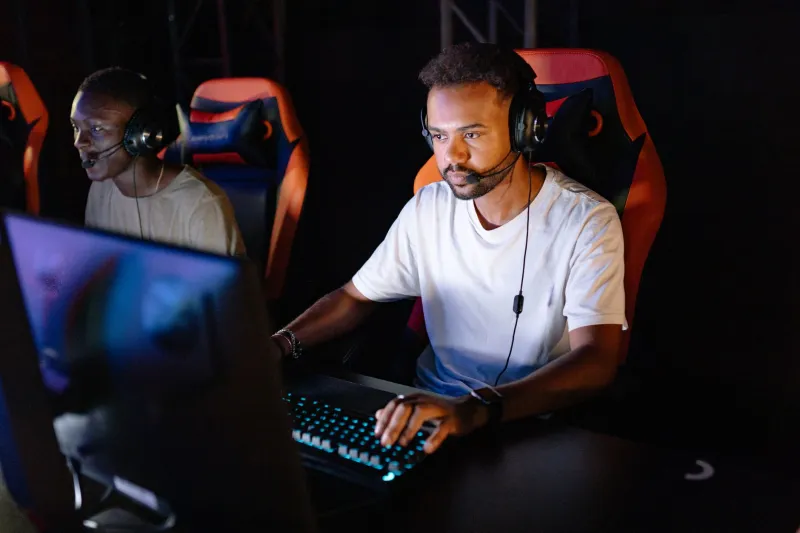
If you've ever rage-quit a game because the grind felt endless, or dropped $20 on a shortcut bundle just to skip three hours of farming, congratulations — you're living the Western gaming experience in its purest form. No judgment here. But here's the thing: while American players have been sprinting toward the finish line, Vietnamese gamers have been taking the scenic route. And they've been winning because of it.
At VietGame Hub, we've been watching this cultural shift unfold for a while now. The patience-first philosophy baked into Vietnamese gaming habits is no longer just a quirky regional trait — it's actively reshaping how game developers design their titles, and how a growing number of American players are choosing to engage with them.
The Philosophy Behind the Grind
To understand why Vietnamese gamers approach games the way they do, you have to zoom out a little. Vietnam's gaming culture didn't grow up in a world of $70 AAA titles and premium battle passes. It grew out of internet cafés, shared accounts, and free-to-play titles where the only currency that really mattered was time. Players learned early that if you couldn't buy your way to the top, you'd have to earn it — one dungeon run, one daily quest, one carefully saved resource at a time.
That environment bred a particular kind of gamer. One who reads the patch notes before complaining about them. One who maps out a six-week progression plan before logging in on day one. One who genuinely enjoys the process of getting stronger, not just the moment of being strong.
Behavioral psychologist Dr. Linh Nguyen, who has consulted for several Southeast Asian mobile game studios, describes it as a fundamentally different relationship with delayed gratification. "In a lot of Western game design, the dopamine hit comes fast and often," she explains. "But in the titles popular across Vietnam and broader Southeast Asia, the reward cycle is stretched out. Players learn to find satisfaction in incremental progress, not just milestone moments."
What the Games Themselves Are Telling Us
This philosophy doesn't just live in the players — it's literally coded into the games they love. Titles like Liên Quân Mobile (Arena of Valor's Vietnamese cousin), Mu Online, and Võ Lâm Truyền Kỳ were built around long seasonal arcs, daily login streaks, and progression systems that reward consistent engagement over weeks and months rather than weekend binges.
Compare that to the traditional Western model, where games are often designed to be "completable" — a beginning, a middle, and an end. Vietnamese players never really signed up for that contract. The game was never supposed to end. It was supposed to evolve with you.
And here's where it gets interesting for the American market: that design philosophy is bleeding into mainstream Western releases. Games like Path of Exile, Destiny 2's seasonal model, and even the league system in League of Legends have quietly adopted mechanics that reward long-term, consistent play over burst engagement. The developers may not always say it out loud, but the fingerprints of Asian game design are all over these systems.
American Players Are Starting to Get It
Talk to competitive players in the US who've spent serious time in Asian-market MMOs, and you'll hear a shift in how they talk about games. There's less emphasis on "finishing" something and more interest in the journey of optimization.
Take Marcus, a 26-year-old from Houston who started playing Ragnarok Online private servers popular in Vietnamese communities after his college roommate introduced him to the game. "I used to think grinding was a punishment," he says. "Like, the game was wasting my time. But after a few months of playing with guys who'd been doing this for years, I started to see it differently. The grind is the game. The moment you hit max level isn't the reward — it's just the beginning of a new set of problems to solve."
That mindset shift — from destination-focused to process-focused — is something behavioral researchers have actually studied in the context of Eastern versus Western approaches to achievement. It mirrors concepts found in mindfulness practices: the idea that presence in the moment, even a repetitive one, has its own kind of value.
Practical Tips for Adopting a More Patient Playstyle
So how do you actually rewire your gaming brain if you've been conditioned by years of fast-reward Western titles? Here are a few things that Vietnamese gaming culture does naturally that you can start doing intentionally:
Set weekly goals, not session goals. Instead of asking "what can I accomplish tonight," ask "where do I want to be by Sunday?" This reframes progress in a way that makes short sessions feel purposeful rather than incomplete.
Learn to enjoy the meta. Vietnamese players are famously obsessive about theorycrafting — reading forums, watching build guides, planning gear paths. This isn't just preparation, it's part of the entertainment. Let yourself enjoy the planning as much as the playing.
Stop skipping cutscenes. Seriously. One of the most common complaints in Western gaming culture is impatience with story delivery. Slowing down and engaging with narrative context actually enriches the experience of progression. You're not just grinding numbers — you're building a world.
Find a community that plays the long game. This one's huge. A lot of the patience-based mentality in Vietnamese gaming culture is reinforced socially. When your guild is planning a six-month progression arc together, suddenly that grind doesn't feel lonely — it feels shared.
The Bigger Picture
What's happening here isn't just a gaming trend. It's a cultural conversation about what we value in entertainment and achievement. Western gaming has long been driven by a consumer mindset — pay more, skip ahead, get the good stuff now. Vietnamese gaming culture, born out of necessity and shaped by community, developed something different: a genuine appreciation for the road, not just the destination.
As more American players discover Asian-market games through streaming, esports, and word of mouth, that philosophy is finding new soil to grow in. And honestly? The games are better for it. The players are better for it.
So next time you're tempted to buy that XP boost or skip that questline, maybe just... don't. Log in tomorrow. And the day after that. The chaos will come eventually. But first, enjoy the calm.