Southeast Asia's Own Turf: How Vietnamese Gamers Are Building a World Western Devs Can't Ignore
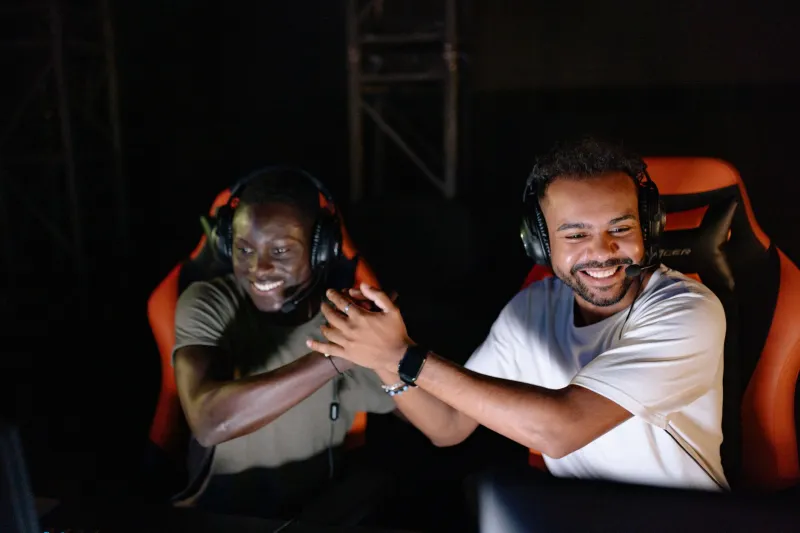
Picture this: you're a Vietnamese gamer in Ho Chi Minh City, and you've just queued into a North American server for your favorite battle royale. The ping is rough, the cultural references in chat go completely over your head, and half the playerbase is asleep on the other side of the world when you're ready to grind. So what do you do? If you're part of a growing wave of Vietnamese players, the answer is simple — you stop waiting for someone else to fix it, and you build something better yourself.
That's exactly what's been happening across Southeast Asia over the past few years, and the momentum is undeniable.
The Ping Problem Is Just the Beginning
Latency gets talked about a lot, but it's honestly just the tip of the iceberg. Sure, a 200ms ping to a US-based server is genuinely painful for competitive play — and Vietnamese players have been dealing with that reality for a long time. But the push toward regional server hubs goes way deeper than network speeds.
It's about ownership. It's about playing in an environment that actually reflects who you are as a player.
When Vietnamese gamers log into a Southeast Asian server, they're not just getting lower ping. They're getting matchmaking queues filled with people who share similar playstyles, communication norms, and yes, gaming schedules that actually make sense for their time zone. That's a fundamentally different experience, and once you've had it, it's hard to go back.
Why Regional Ecosystems Are Popping Off Right Now
A few things collided at the right moment to make this shift possible. First, the infrastructure finally caught up. Cloud computing expansion across Southeast Asia — particularly in Singapore, Malaysia, and Vietnam itself — has made it genuinely viable to run stable, low-latency servers that serve the region without routing everything through US or European data centers.
Second, the player base hit critical mass. Vietnam alone has tens of millions of active gamers, and when you fold in Thailand, Indonesia, the Philippines, and Malaysia, you're looking at a regional gaming population that rivals the entire United States in raw numbers. That's not a niche market anymore — that's a power bloc.
Third, and maybe most importantly, Vietnamese gaming culture has always had a strong DIY streak. From the legendary internet café scenes that basically incubated an entire generation of competitive players, to the modding communities that built custom experiences on top of games never officially localized for the region, Vietnamese gamers have a long history of making things work on their own terms.
The Parallel Ecosystem in Practice
So what does this actually look like on the ground? It varies by game, but the pattern is pretty consistent.
In titles that support private or regional servers — think certain MMORPGs, sandbox games, and even some shooters — Vietnamese communities have stood up their own infrastructure, complete with localized rules, Vietnamese-language moderation, and community-driven economies that operate completely independently from Western player markets.
In games where that's not technically possible, the community work happens at the meta level. Discord servers, Facebook groups (still massive in Vietnam), and local streaming platforms become the connective tissue. Vietnamese players essentially build a community layer on top of whatever server infrastructure the developer provides, creating a parallel social ecosystem that functions on Vietnamese time, Vietnamese language, and Vietnamese gaming values.
And those values are distinct. There's a strong emphasis on collective progression, mentorship between veteran and newer players, and a kind of grinding culture that Western players sometimes find intense but Vietnamese gamers treat as totally normal. When you're building a community around those shared norms, playing on a server full of people who don't share them starts to feel genuinely alienating.
Western Devs Are Finally Starting to Pay Attention
For a long time, major studios treated Southeast Asia as a secondary market — a place to maybe drop a localized client if the numbers justified it, but not somewhere that warranted serious infrastructure investment. That calculus is changing, and Vietnamese players are a big reason why.
When a regional community builds its own ecosystem around your game, you start to see some interesting data. Retention numbers look different. Monetization patterns look different. The game is being played in ways the developers didn't necessarily design for, and those players are sticking around. That's valuable signal.
Some studios have started responding. We've seen increased investment in dedicated Southeast Asian server infrastructure from a handful of major publishers, along with more genuine localization efforts that go beyond just translating menus into Vietnamese. A few developers have even started actively consulting with Vietnamese community leaders when making balance decisions that affect regional play — something that would have been unthinkable five years ago.
It's not a revolution that happened overnight, and it's still very much in progress. But the direction is clear.
What This Means for the Future of Gaming Infrastructure
Here's the bigger picture that US gamers might want to think about: the model of a handful of US-based companies running global server infrastructure and setting global community standards is quietly getting disrupted. Not through any dramatic confrontation, but through the patient, methodical work of regional communities building alternatives.
Vietnamese gamers didn't petition Western developers to do better. They didn't wait for a corporate diversity initiative to make them feel included. They just started building, and kept building, until what they'd created was too substantial to ignore.
That's a playbook that other regional gaming communities are watching closely. If Southeast Asia can pull it off — and increasingly it looks like they can — there's no reason South Asian, Latin American, or African gaming communities can't do the same thing.
The global gaming internet, in other words, might be a lot less US-centric ten years from now than it is today. And you can trace a meaningful part of that shift back to Vietnamese players who got tired of bad ping and decided to do something about it.
The Takeaway for American Players
If you're a US gamer, this isn't a threat — it's actually kind of exciting. A world with multiple thriving regional gaming ecosystems is a world with more diverse games, more diverse communities, and more interesting cross-cultural exchanges happening at the competitive level.
And honestly? Watching Vietnamese gamers build something from scratch because the existing infrastructure didn't serve them is exactly the kind of energy that makes gaming culture worth being part of in the first place.
Keep an eye on what's happening in Southeast Asia. The servers they're building today might be shaping how everyone plays tomorrow.