Why Vietnamese Gaming Guilds Build Friendships That Last — And How to Steal Their Blueprint for Your Own Crew
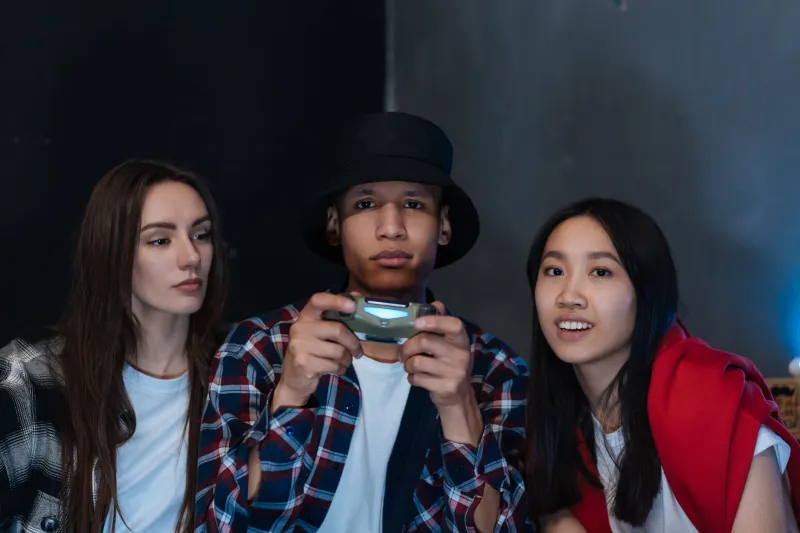
Here's a scenario that probably sounds familiar: you spend six months playing a game with a solid group of people. You've got inside jokes, a Discord server, maybe even a group chat. The game starts dying, the servers thin out, and within a few weeks everyone has scattered to different titles. You follow a couple of people to the next game. Most of them you never talk to again. The friendships were real while they lasted, but they were fundamentally attached to the game, not to each other.
This is the default American gaming friendship experience. And it's kind of lonely when you think about it.
Vietnamese gaming communities have been quietly running a different system — one where the friendships are the point, and the games are just where they happen. The difference isn't accidental. It's structural.
The Architecture of a Vietnamese Guild
Vietnamese online guilds, particularly in MMOs and MOBAs, tend to be organized with a level of intentionality that most Western gaming groups don't bother with. There are clear roles — not just in-game roles, but social roles. Someone is responsible for welcoming new members. Someone coordinates events. Someone handles conflict when it comes up. The guild functions less like a matchmaking pool and more like a small organization with a culture it actively maintains.
This structure matters because it creates accountability and belonging simultaneously. When you have a defined role in a community, you're not just a username floating around a server — you're a person with responsibilities and relationships. That's a fundamentally different experience of membership.
The hierarchy isn't about gatekeeping, either. In most Vietnamese guild structures, the hierarchy exists to ensure that newer players are supported and older players have a stake in the community's health. Veterans don't just tolerate newcomers — they're expected to invest in them.
Mentorship as a Community Survival Strategy
The mentorship culture embedded in Vietnamese gaming communities is probably the single biggest structural difference from how American gaming groups typically operate. In a lot of Western guilds or Discord servers, you're expected to figure things out yourself or Google it. Asking basic questions can sometimes get you mocked. The vibe is competitive and hierarchical in the worst way — status through gatekeeping.
In Vietnamese communities, pairing experienced players with newer ones isn't just encouraged — it's often formalized. A veteran player might be assigned or voluntarily take on a specific newer member to guide through game mechanics, introduce to the community, and check in with regularly. This creates a one-on-one relationship that exists independent of any given game session. You're not just teammates; you're connected people.
The downstream effect on retention and friendship depth is enormous. When someone invests real time in helping you improve and navigate a community, you're not going to ghost them when the game patches change. The relationship has weight.
Cross-Game Loyalty: The Secret Ingredient
Here's the piece that American gaming culture almost entirely misses: Vietnamese gaming communities frequently migrate together. When a game winds down or a better one comes along, the guild doesn't dissolve — it moves. The community infrastructure, the relationships, the inside culture — all of it gets picked up and transplanted.
This requires a shift in how you think about what a gaming community is. If the community is defined by the game, migration is impossible. But if the community is defined by the people and the culture, the game is just a venue. You can change venues.
This is why you'll find Vietnamese Discord servers that have been active for years across multiple games, with a consistent core membership that's been playing together through completely different titles. The friendships survived because they were never dependent on any single game surviving.
The Loneliness Math of Solo Queue
American gaming has leaned heavily into solo queue systems — matchmaking you with strangers for a session and then dispersing everyone back into the void. It's efficient for filling lobbies. It's terrible for building any kind of connection.
The psychological research on gaming loneliness is pretty clear: playing with strangers doesn't scratch the social itch the way playing with people you know does, even if the session itself is fine. And the transactional nature of most Western gaming interactions — you're teammates for 40 minutes and then you're nothing — trains players to keep their guard up, not invest emotionally, and treat other players as resources rather than people.
Vietnamese guild culture is, in a lot of ways, a direct antidote to this. The investment is upfront and ongoing. You know people's names, their play styles, their sense of humor. That knowledge accumulates over time into something that feels genuinely like friendship rather than a functional gaming relationship.
How to Actually Apply This to Your Own Group
You don't need to rebuild your entire social gaming life from scratch. A few intentional changes can shift the dynamic significantly:
Define your community beyond one game. Even if you're all playing Elden Ring right now, establish a Discord server that's about your group, not the game. When the next big thing drops, you migrate together.
Build in a mentorship layer. If you've got experienced players and newer ones, pair them up explicitly. Even a casual 'hey, I'll help you learn this game' conversation creates a relationship that a server announcement never will.
Give people roles that matter socially, not just mechanically. Someone who's the 'community greeter' or the 'event coordinator' has a reason to stay engaged even when their gaming interest fluctuates. Roles create investment.
Check in outside of sessions. Vietnamese gaming friendships extend into the chat between sessions — sharing memes, life updates, recommending food. That ambient connection is what makes the friendship real. Make your Discord a place where people talk even when there's nothing to play.
Celebrate tenure, not just performance. Recognize people who've been around a long time, not just people who play the best. Longevity is a value worth signaling.
The algorithm for lasting gaming friendships isn't complicated. Vietnamese communities have been running it for years. All you have to do is decide that the people are worth the structure — and then build it.